
Success Stories
Turning Crop Knowledge Into Measurable Results
Every farm is different. Soil conditions, water quality, climate, crop history and management practices all influence how a crop performs. That is why I don’t believe in using one standard fertilizer program for every farm. At AgriCure, I work directly with farmers throughout the growing season. I start by understanding the soil, water and crop conditions, then develop a practical nutrition strategy around the actual needs of the plant. But the program is only the beginning. During the season, I regularly follow the crop in the field, monitor plant growth and root development, measure nutrient levels, identify imbalances early, and adjust fertilizer, irrigation and crop management according to what the plant is telling us.
Turning Crop Knowledge Into Measurable Results
Every farm is different. Soil conditions, water quality, climate, crop history and management practices all influence how a crop performs. That is why I don’t believe in using one standard fertilizer program for every farm. At AgriCure, I work directly with farmers throughout the growing season. I start by understanding the soil, water and crop conditions, then develop a practical nutrition strategy around the actual needs of the plant. But the program is only the beginning. During the season, I regularly follow the crop in the field, monitor plant growth and root development, measure nutrient levels, identify imbalances early, and adjust fertilizer, irrigation and crop management according to what the plant is telling us.
Every farm is different. Soil conditions, water quality, climate, crop history and management practices all influence how a crop performs. That is why I don’t believe in using one standard fertilizer program for every farm. At AgriCure, I work directly with farmers throughout the growing season. I start by understanding the soil, water and crop conditions, then develop a practical nutrition strategy around the actual needs of the plant. But the program is only the beginning. During the season, I regularly follow the crop in the field, monitor plant growth and root development, measure nutrient levels, identify imbalances early, and adjust fertilizer, irrigation and crop management according to what the plant is telling us.
SUCCESS STORIES
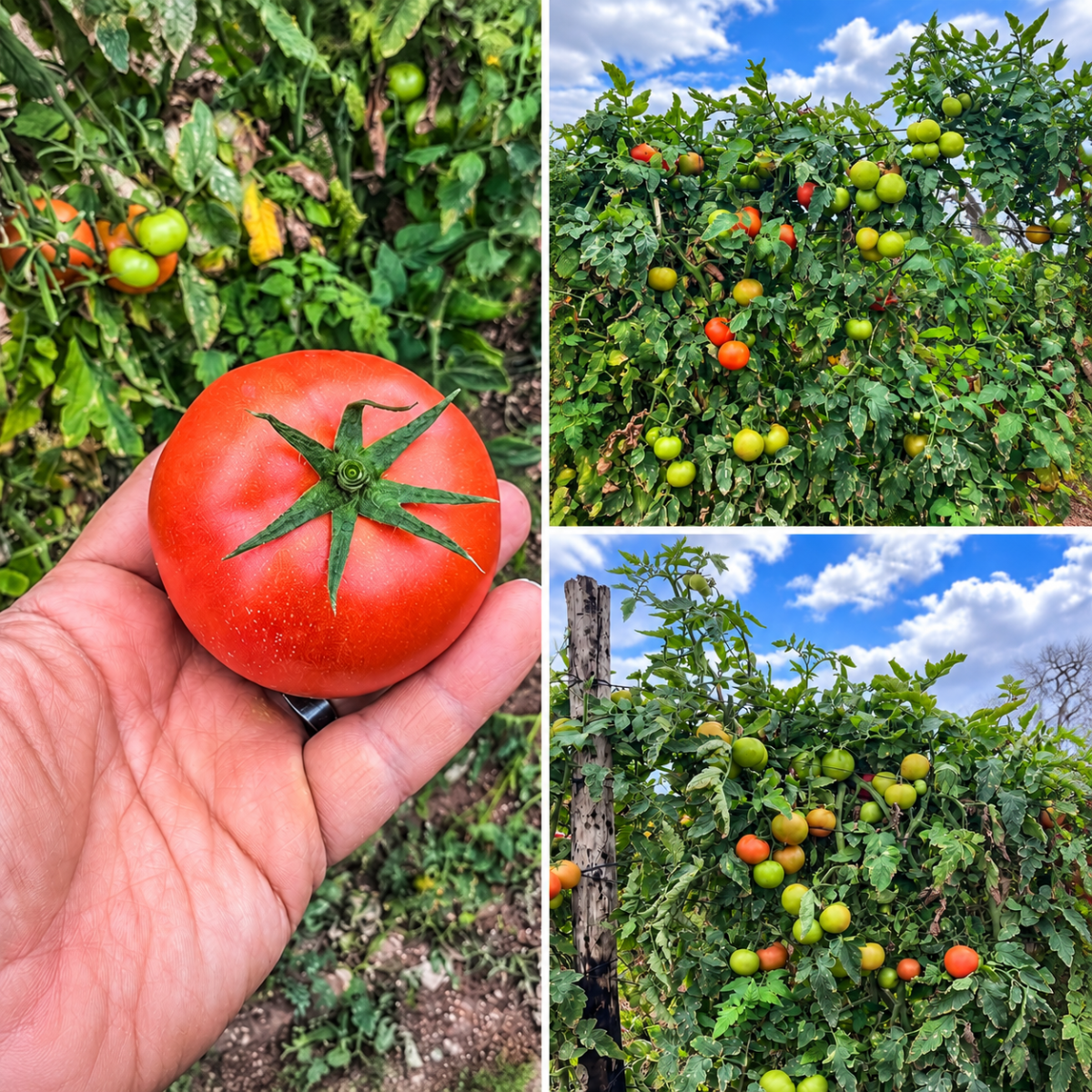
🍅 Tomato Success Story - 1,000+ Hectares | 150+ t/ha
Through AgriCure, I have worked with different commercial tomato farmers across more than 1,000 hectares of production, under different soil types, climates and growing conditions. My approach has always been to understand the crop first rather than simply following a standard fertilizer program. I develop the nutrition program according to the soil, water quality, crop stage and expected yield, and then follow the crop closely throughout the season. By regularly monitoring plant growth, root activity and nutrient levels, I can identify changes early and adjust the fertilizer and irrigation strategy according to what the plant actually needs. One of the most important parts of this approach is maintaining the right balance between vegetative growth and fruit production. As the crop moves from establishment into flowering, fruit set and fruit filling, the nutritional requirements change significantly. By managing nitrogen, potassium, calcium, magnesium and other nutrients at the correct stages, we can support strong fruit set, better fruit size and firmness while keeping the plant healthy enough to maintain production over a longer harvesting period. With this combination of a targeted fertilizer program, regular field monitoring and continuous adjustment throughout the season, I have helped growers achieve commercial tomato yields of more than 150 tonnes per hectare, while maintaining good fruit quality and marketable production.
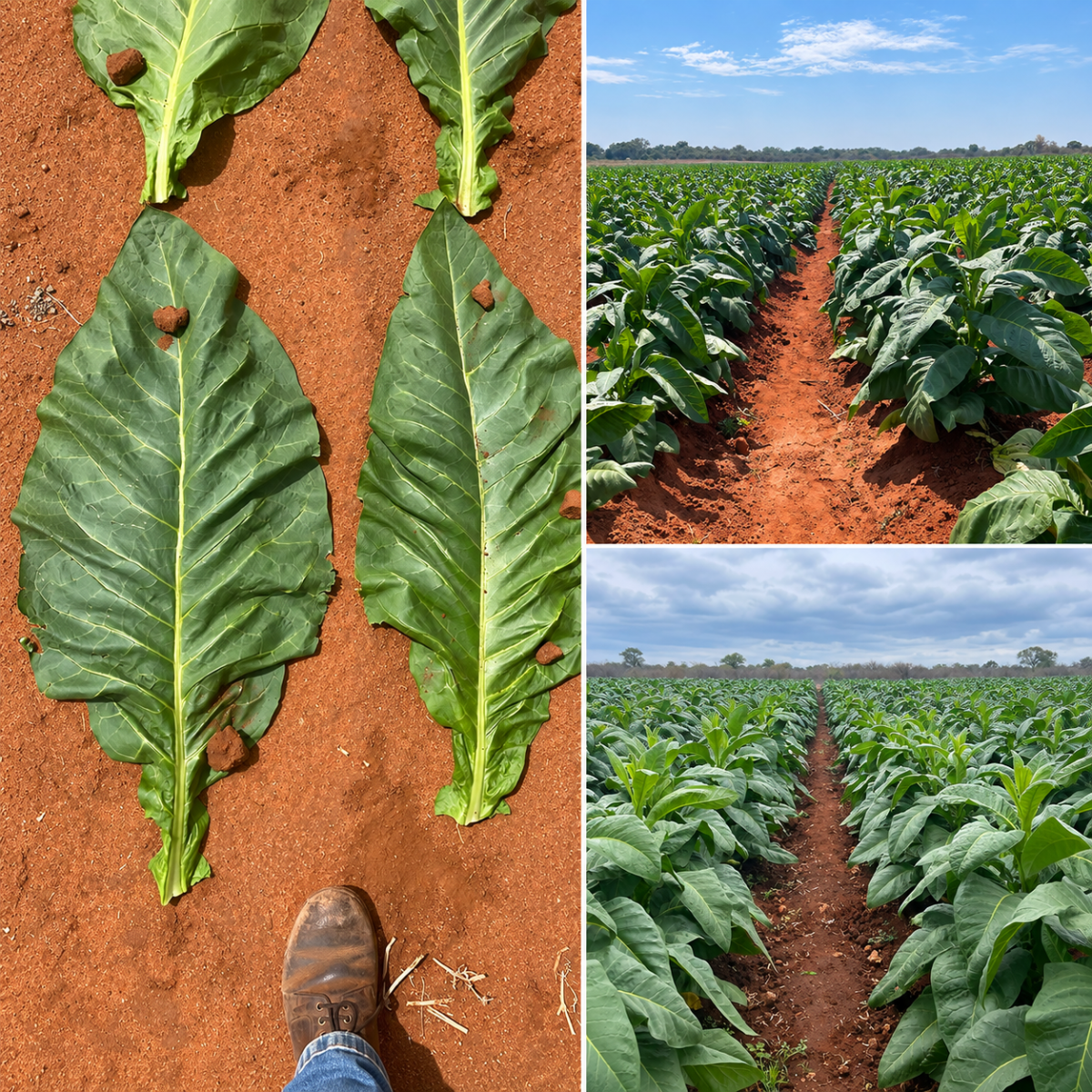
🌿 Tobacco Success Story - 400+ Hectares | 4+ t/ha
Through AgriCure, I have worked with commercial tobacco farmers across more than 400 hectares of production, focusing on improving yield, leaf development, leaf quality and overall plant performance through better nutrition and continuous crop monitoring. Tobacco requires a very specific nutritional balance throughout the season. My approach starts with building a strong and active root system, followed by maintaining the right vegetative growth to produce large, broad and well-developed leaves. The fertilizer program is adjusted according to soil conditions, water quality, crop stage and the actual performance of the plant rather than relying on one standard program. Throughout the season, I regularly monitor plant growth, root activity and nutrient levels and adjust the nutrition strategy accordingly. Particular attention is given to the balance of nitrogen, potassium, calcium and magnesium, because maintaining good nutrient uptake is critical for leaf expansion, plant strength, leaf quality and final yield. Healthy, well-balanced plants are also better able to maintain nitrogen uptake and normal nicotine synthesis. Nitrogen has a particularly important relationship with nicotine because it is directly involved in nicotine production, and research shows that improved nitrogen uptake can increase nicotine concentration in tobacco leaves